
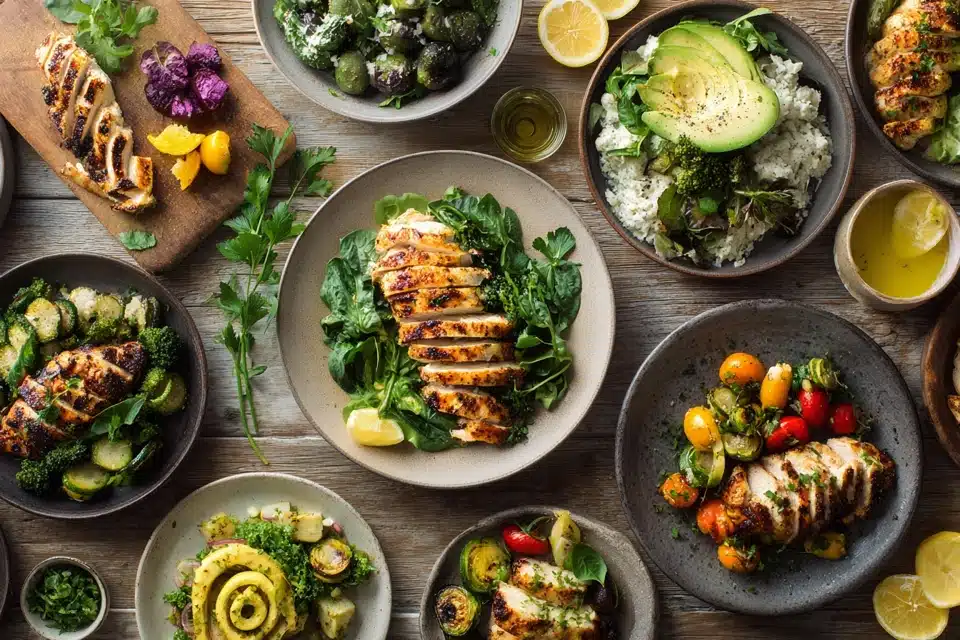
20 Quick and Easy Anti Inflammatory Chicken Recipes That Actually Taste Great
Introduction
When your body needs a break from inflammation-triggering foods, the key is recipes that are nourishing without sacrificing flavor. That’s exactly where these 20 quick and easy anti-inflammatory chicken recipes shine. Each dish is designed to calm the body with wholesome ingredients while keeping your taste buds satisfied.
These aren’t boring “health food” meals. We’re talking juicy chicken coated in turmeric and garlic, zesty citrus marinades, and hearty bowls full of vegetables, herbs, and clean proteins. From skillet meals to sheet pan dinners and slow cooker favorites, these recipes deliver weeknight ease with major flavor.
Chicken is a versatile lean protein that adapts beautifully to anti-inflammatory spices and cooking styles. Whether it’s grilled with lemon and rosemary or simmered with ginger and coconut milk, these recipes are built to nourish from the inside out while keeping you full and energized.
Ingredients Overview
The foundation of these recipes is inflammation-fighting ingredients paired with naturally flavorful components. Here’s what you’ll commonly find in these dishes:
Chicken: Boneless, skinless chicken breasts and thighs are lean, high-protein options that cook quickly and stay tender. Thighs are great for slow cooking, while breasts are ideal for grilling or pan-searing. Organic and pasture-raised chicken is best if available.
Turmeric: This bright yellow spice contains curcumin, a compound known for its anti-inflammatory properties. Its warm, earthy flavor works well in marinades and sauces.
Garlic and Onion: These aromatics not only build deep flavor but also contain sulfur compounds that support immune health and reduce inflammation.
Ginger: Spicy, fragrant, and soothing to the digestive system, fresh ginger adds zing to sauces, soups, and stir-fries.
Olive Oil: Rich in healthy fats and antioxidants, extra virgin olive oil is the go-to cooking fat for sautéing and drizzling.
Lemon and Lime Juice: Citrus not only adds brightness but also boosts flavor without extra sodium or sugar. Its vitamin C content doesn’t hurt either.
Leafy Greens: Spinach, kale, and arugula are frequent sides or stir-in ingredients that bring fiber and powerful phytonutrients to the plate.
Sweet Potatoes and Squash: Naturally sweet, nutrient-dense, and rich in beta-carotene, they offer a comforting balance to spice-heavy dishes.
Coconut Milk: Used in creamy soups and stews, it provides healthy fats and a gentle flavor that complements spices like turmeric and curry.
Herbs and Spices: Think rosemary, thyme, basil, cinnamon, and cumin—all full of flavor and anti-inflammatory potential.
If you need substitutes, tofu can replace chicken for a vegetarian twist, while avocado oil works well in place of olive oil for higher-heat cooking.
Step-by-Step Instructions
Each recipe is tailored for speed, simplicity, and flavor. Here’s how many of them come together:
1. Prep First: Start by chopping your vegetables, trimming your chicken, and mixing any spice blends. Having everything ready speeds up cooking and reduces stress.
2. Marinate or Season: If time allows, let your chicken marinate in ingredients like olive oil, lemon, turmeric, garlic, and cumin for 30 minutes. If not, a simple spice rub just before cooking still packs plenty of flavor.
3. Cook Smart: For skillet recipes, heat olive oil over medium heat and cook chicken 4–6 minutes per side until golden brown and cooked through. For baked dishes, 400°F for 20–25 minutes usually works. Slow cooker meals often take 4–6 hours on low or 2–3 on high.
4. Don’t Overcrowd the Pan: Whether roasting or pan-searing, space your ingredients so they brown instead of steam. This creates better texture and deeper flavor.
5. Let It Rest: After cooking, let chicken rest for 5 minutes to retain juices. Slice against the grain for the most tender bite.
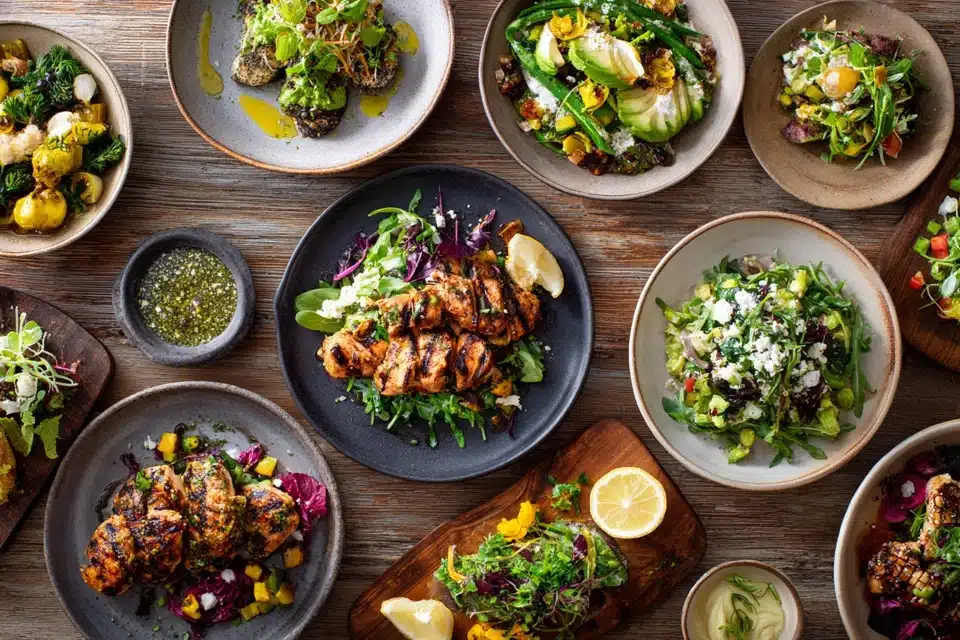
6. Assemble and Serve: Pair the chicken with your favorite anti-inflammatory sides like roasted vegetables, quinoa, or a simple spinach salad tossed with lemon vinaigrette.
7. Adjust to Taste: Taste and finish with fresh herbs, a squeeze of citrus, or a spoonful of yogurt-based sauce for brightness and balance.
Common mistakes to avoid include under-seasoning, overcooking the chicken, or skipping the resting time. Watch the heat and use a thermometer if needed—165°F is your target for doneness.
Tips, Variations & Substitutions
To keep these meals fresh and personalized, consider the following:
Tips:
- Use a meat thermometer to avoid overcooking.
- Always toast spices briefly in the pan to intensify flavor.
- Cook extra chicken to have ready for salads and wraps.
Variations:
- Replace chicken with turkey breast, tempeh, or chickpeas.
- Switch up the base with whole grains like farro or wild rice.
- Add seasonal veggies like zucchini in summer or root vegetables in winter.
Dietary Adjustments:
- For low-carb needs, skip sweet potatoes and opt for cauliflower rice.
- Use dairy-free yogurt if avoiding lactose.
- Make it Whole30 or Paleo by avoiding grains and legumes.
Spice Adjustments:
- If sensitive to heat, skip cayenne and use paprika instead.
- Add crushed red pepper or jalapeño if you love a little kick.
Serving Ideas & Occasions
These anti-inflammatory chicken recipes are flexible enough for any day of the week but can also be dressed up for guests. Serve them:
- Over quinoa with a cucumber-mint salad for a refreshing summer meal.
- With roasted squash and kale for a cozy fall dinner.
- Inside lettuce wraps with avocado and salsa for a low-carb lunch.
- Alongside a turmeric-ginger tea for a soothing, inflammation-friendly pairing.
- As meal prep: Cook a batch on Sunday and portion for weekday lunches.
They’re perfect for family dinners, quick solo lunches, and everything in between. Plus, they reheat well without drying out.
Nutritional & Health Notes
Each recipe focuses on clean, whole ingredients that support overall wellness. Lean protein from chicken helps maintain muscle and keeps you full. Anti-inflammatory spices like turmeric, ginger, and cinnamon offer powerful flavor and body-friendly benefits.
Olive oil provides monounsaturated fats that are heart-supportive. Leafy greens and colorful vegetables deliver antioxidants, fiber, and essential nutrients. These recipes also tend to be low in added sugars, gluten-free, and naturally dairy-light.
While individual nutrition varies, many of these meals are high in protein, rich in vitamins A and C, and balanced in healthy fats and carbs.
FAQs
1. Can I meal prep these anti-inflammatory chicken recipes?
Yes. Most of these recipes are perfect for meal prep. Simply cook the chicken and sides ahead of time, store in airtight containers, and reheat gently throughout the week. Roasted vegetables and grain bowls hold up especially well.
2. What cut of chicken works best for anti-inflammatory meals?
Both chicken breasts and thighs work well. Breasts are lean and quick to cook, ideal for grilling or baking. Thighs are juicier and better suited for slow cooker or skillet meals where deeper flavor develops.
3. How can I make these recipes vegetarian?
You can swap the chicken for chickpeas, tofu, or lentils in many recipes. The anti-inflammatory spice blends and vegetables remain the same. Just adjust cooking times as needed to suit your chosen protein.
4. Are these recipes gluten-free?
Most are naturally gluten-free, especially if served with rice, quinoa, or veggies. Just be sure to check ingredient labels on broth, sauces, or marinades to avoid hidden gluten.
5. Can I freeze these meals?
Yes. Cooked chicken freezes well, especially in stews or saucy dishes. Let everything cool completely before freezing in airtight containers. Thaw in the fridge overnight, then reheat gently on the stove or microwave.
6. What are some anti-inflammatory side dishes I can serve with these?
Great sides include roasted Brussels sprouts, sautéed kale, quinoa salad with lemon and herbs, sweet potato mash, or cucumber-tomato salad with olive oil. Anything veggie-forward with minimal processing works well.
7. Can I cook these in an air fryer?
Absolutely. Air frying is great for keeping chicken juicy while achieving a crispy exterior. Adjust cooking time to about 10–14 minutes at 375°F for boneless pieces. Always check doneness with a thermometer.
PrintEasy Anti Inflammatory Meals with Chicken for Dinner & Meal Prep

20 quick and easy anti-inflammatory chicken recipes made with wholesome, flavorful ingredients like turmeric, garlic, olive oil, and fresh herbs. Perfect for weeknight dinners, meal prep, or family meals.
- Prep Time: 10 minutes
- Cook Time: 25 minutes
- Total Time: 35 minutes
- Yield: 4 servings 1x
Ingredients
- 4 boneless, skinless chicken breasts
- 2 tbsp olive oil
- 1 tsp turmeric
- 2 garlic cloves, minced
- 1 tsp ground cumin
- 1 tbsp lemon juice
- 1 tsp grated ginger
- Salt and pepper to taste
- 1 cup chopped spinach
- 1 cup roasted sweet potatoes
- 1/2 cup cooked quinoa
Instructions
- Preheat oven to 400°F.
- In a bowl, mix olive oil, turmeric, garlic, cumin, ginger, lemon juice, salt, and pepper.
- Coat chicken breasts in the marinade and let sit for 20 minutes.
- Place chicken on a baking sheet and bake for 20–25 minutes until cooked through.
- While chicken cooks, roast sweet potatoes and cook quinoa according to package instructions.
- Sauté spinach in olive oil until wilted.
- Slice chicken and serve with spinach, sweet potatoes, and quinoa.
Notes
You can substitute chicken thighs or use tofu for a vegetarian version. Store leftovers in the fridge for up to 4 days.