

Easy Yogurt Bread (Gluten-Free with a Zero Carb Option) That Tastes Incredibly Soft
Easy Yogurt Bread Gluten-Free, Zero Carb Option Recipe Article
Introduction
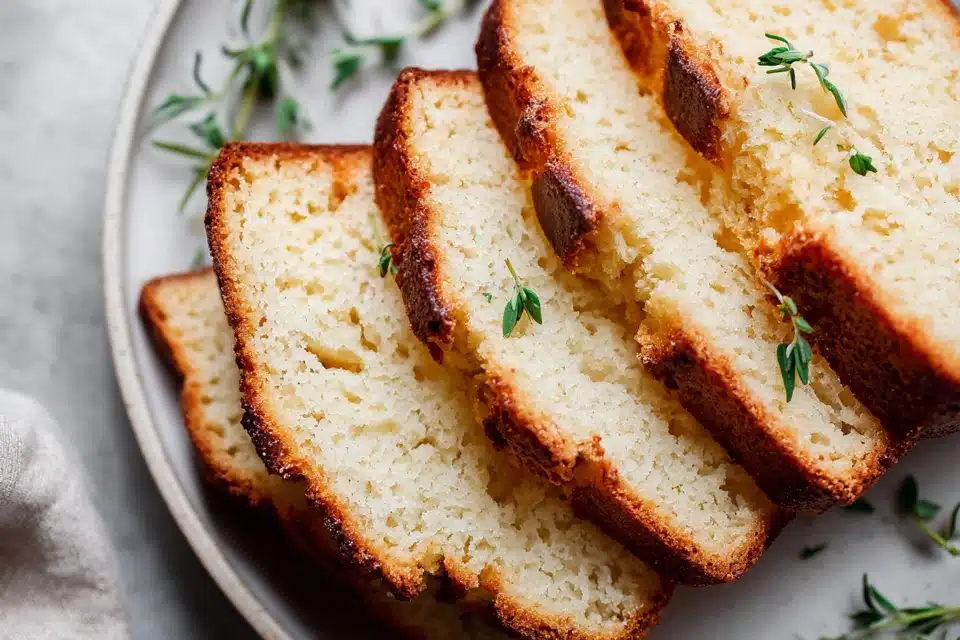
Easy yogurt bread is a dream come true for those craving a soft, fluffy loaf without the wheat or the guilt. Whether you’re gluten-sensitive, low-carb, or just want a quick bread recipe with simple ingredients, this gluten-free yogurt bread checks all the boxes. It’s tender, mildly tangy, and deeply satisfying—perfect for slicing, toasting, or using as a base for sandwiches.
The beauty of this bread is in its simplicity. No yeast, no complicated steps—just mix, bake, and enjoy. The yogurt keeps the crumb moist and tender, while gluten-free flours and low-carb alternatives give you full control over your diet. With a texture somewhere between quick bread and a light sandwich loaf, it’s endlessly useful in the kitchen and can be flavored sweet or savory depending on your mood.
Best of all? There’s a zero carb option that’s just as soft and delicious, making it a go-to for keto and diabetic-friendly meal plans.
Ingredients Overview
This bread uses pantry staples that are easy to find and work together to create a loaf that’s flavorful, moist, and structurally sound—without gluten or added sugars.
Plain yogurt – Whole milk Greek yogurt is ideal. It adds moisture, slight tanginess, and helps the bread rise thanks to its acidity. Dairy-free yogurt alternatives like coconut yogurt can be used as well.
Eggs – Eggs are the structural backbone of this bread. They give rise, hold everything together, and help form a tender crumb. Large eggs at room temperature work best.
Baking powder – Provides lift and helps the bread rise quickly without yeast. Be sure it’s aluminum-free for the cleanest flavor.
Salt – Just a touch enhances all the other flavors. You can adjust based on whether you’re going sweet or savory.
Gluten-free flour blend (Option 1) – A 1:1 all-purpose gluten-free flour mix works best for a more traditional bread texture. Look for blends with rice flour, potato starch, and xanthan gum.
Almond flour or coconut flour (Option 2: Zero carb) – These create a grain-free, ultra-low carb version. Almond flour gives a rich, nutty flavor, while coconut flour makes a drier, lighter loaf—just be sure to adjust liquid and egg content accordingly.
Olive oil or melted butter – Adds richness and moisture. Olive oil keeps it dairy-free if using non-dairy yogurt.
Optional add-ins: herbs, garlic powder, grated cheese, lemon zest, or even cinnamon and vanilla for a sweeter version.
Step-by-Step Instructions
Step 1: Prep your oven and pan.
Preheat your oven to 350°F (175°C). Line a loaf pan with parchment paper or grease it well to prevent sticking.
Step 2: Mix wet ingredients.
In a large bowl, whisk together yogurt, eggs, and olive oil or melted butter until fully combined and smooth.
Step 3: Add dry ingredients.
For the gluten-free version, add your GF flour blend, baking powder, and salt. Mix gently until no dry spots remain.
For the zero carb version, use 1 cup almond flour or 1/3 cup coconut flour (not both), increase eggs to 4, and add a pinch of baking soda along with baking powder.
Step 4: Adjust the texture.
The batter should be thick but pourable—like muffin batter. If it’s too thick (especially with coconut flour), add 1–2 tablespoons of water or milk of choice.
Step 5: Transfer to pan.
Spoon the batter into the prepared pan and smooth the top with a spatula.
Step 6: Bake.
Bake for 35–45 minutes, depending on your flour choice and oven. The top should be golden and a toothpick inserted in the center should come out clean.
Step 7: Cool completely.
Let the bread cool in the pan for 10 minutes, then transfer to a wire rack to cool fully. This helps it set and slice cleanly.
Avoid these common mistakes:
- Don’t underbake—gluten-free breads need thorough cooking to avoid gumminess.
- Let it cool before slicing or it may fall apart.
- Avoid overmixing, which can create a dense loaf.
Tips, Variations & Substitutions
Tips:
- Use room temperature eggs and yogurt for better rise.
- For a more sandwich-style loaf, bake in a smaller pan for height.
- Store in an airtight container in the fridge to keep fresh for up to 5 days.
Variations:
- Savory herb: Add garlic powder, Italian seasoning, and shredded cheese.
- Sweet option: Add 2 tablespoons honey or maple syrup and cinnamon.
- Zesty lemon: Stir in lemon zest and poppy seeds for a springy breakfast loaf.
Substitutions:
- Replace yogurt with sour cream or a non-dairy alternative like almond yogurt.
- Use flax eggs for an egg-free option (especially with almond flour).
- For dairy-free, use olive oil instead of butter and plant-based yogurt.
Serving Ideas & Occasions
Yogurt bread is surprisingly versatile. Use it for breakfast, snacks, or light meals. It holds up well for toasting and layering.
- Toast it: Serve with almond butter, cream cheese, or mashed avocado.
- Make sandwiches: Stack with turkey, tomato, and greens for a light lunch.
- Serve with soup or salad: A perfect gluten-free side.
- Breakfast base: Top with a poached egg and smoked salmon.
- On-the-go snack: Spread with cottage cheese and cucumbers.
For drinks, pair it with tea, black coffee, or a protein smoothie for a balanced bite.
Nutritional & Health Notes
This bread is designed to support a variety of dietary needs:
- High in protein: Especially with Greek yogurt and eggs.
- Low carb to zero carb: The almond or coconut flour version contains virtually no net carbs.
- Gluten-free and grain-free: Ideal for celiac, gluten sensitivity, or paleo lifestyles.
- No added sugars (unless desired): You control the sweetness.
It’s a great replacement for store-bought breads that often include fillers or additives. For even more fiber, add a tablespoon of ground flax or chia seeds.
FAQs
1. Is this bread really zero carb?
The almond or coconut flour version contains almost no net carbs per slice, making it suitable for keto and low-carb diets. Always check your specific ingredients to confirm.
2. Can I freeze yogurt bread?
Yes. Slice and wrap individual pieces in parchment paper, then freeze in a zip-top bag. Toast or microwave straight from frozen.
3. Why is my bread dense or gummy?
It likely needed more bake time or was sliced too soon. Be sure to test the center and let it cool fully before cutting.
4. Can I make muffins with this batter?
Absolutely. Portion into greased muffin tins and bake at 350°F for 18–22 minutes, or until golden and firm.
5. What’s the difference between almond flour and coconut flour here?
Almond flour yields a moist, slightly nutty loaf, while coconut flour creates a lighter, drier bread that needs more eggs. Don’t substitute them 1:1.
6. Can I make this bread dairy-free?
Yes, use non-dairy yogurt (like coconut or almond) and olive oil instead of butter. It may be slightly less creamy but still tasty.
7. How do I add flavor without sugar?
Use extracts like vanilla or almond, citrus zest, cinnamon, or herbs. These give flavor without adding sweetness or carbs.
Easy No Carb Bread Recipe with Yogurt

A soft, protein-packed yogurt bread that’s gluten-free with a delicious zero-carb version using almond or coconut flour. Quick to make, endlessly versatile.
- Prep Time: 10 minutes
- Cook Time: 40 minutes
- Total Time: 50 minutes
- Yield: 10 slices 1x
Ingredients
- 1 cup plain Greek yogurt (or non-dairy yogurt)
- 3 large eggs (4 for zero-carb version)
- 1 tablespoon olive oil or melted butter
- 1 1/4 cups gluten-free flour blend or
1 cup almond flour or
1/3 cup coconut flour - 2 teaspoons baking powder
- 1/2 teaspoon salt
Instructions
- Preheat oven to 350°F (175°C). Line or grease a loaf pan.
- In a large bowl, whisk together yogurt, eggs, and oil.
- Add flour of choice, baking powder, and salt. Mix until just combined.
- Pour batter into loaf pan and smooth the top.
- Bake 35–45 minutes until golden and a toothpick comes out clean.
- Cool in pan 10 minutes, then transfer to rack to cool fully before slicing.
Notes
For zero-carb: use almond or coconut flour, add an extra egg, and adjust liquid if needed. Add herbs, cheese, or spices for more flavor.