
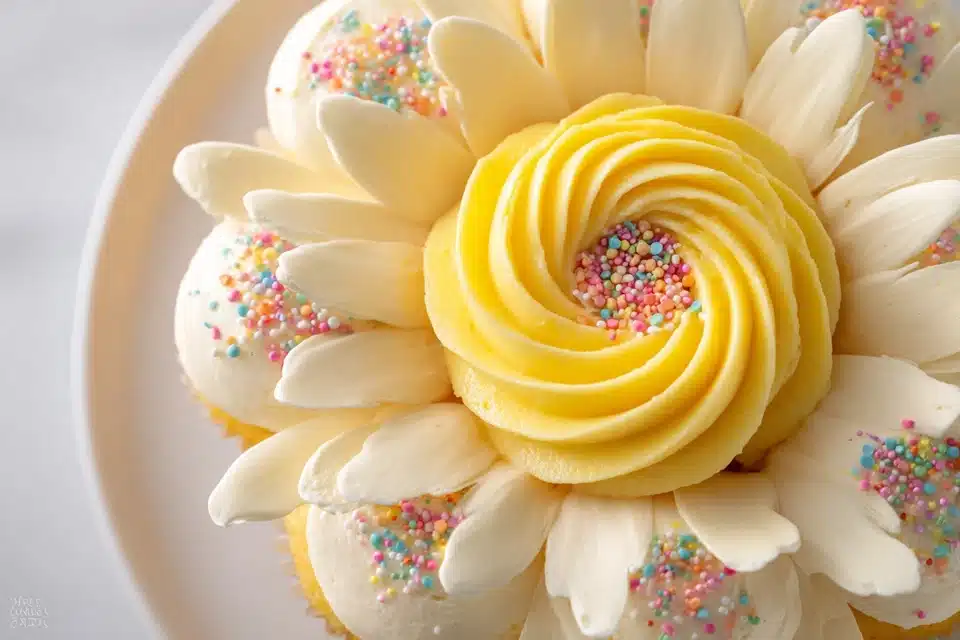
Easy Daisy Pull-Apart Cake: 7 Irresistible Petals
Introduction
Easy Daisy Pull-Apart Cake is a charming centerpiece that brings a sense of warmth to any table. Shaped like a blooming flower, each soft “petal” pulls away effortlessly, revealing a tender crumb inside. The golden exterior has a delicate crisp edge, while the interior stays fluffy and lightly sweet.
This cake is ideal for spring gatherings, birthday brunches, or quiet afternoons with coffee. Its playful daisy design looks intricate, yet the process is surprisingly simple and approachable for home bakers. A gentle vanilla aroma fills the kitchen as it bakes, building anticipation long before the first slice is served.
Because it is designed to be pulled apart rather than sliced, Easy Daisy Pull-Apart Cake creates an interactive dessert experience. Guests can tear off a petal, dip it in glaze, or enjoy it plain. The result is comforting, lightly sweet, and visually lovely without requiring complicated decorating skills.
Ingredients Overview
The foundation of Easy Daisy Pull-Apart Cake is a soft enriched dough. All-purpose flour provides structure while still allowing the crumb to stay light. Bread flour can be used for a slightly chewier texture, though standard flour works beautifully.
Active dry yeast gives the cake its airy lift. It should be proofed in warm milk, around 100–110°F, to activate properly. Milk adds moisture and richness, while also contributing to browning during baking.
Granulated sugar lightly sweetens the dough and supports yeast activity. The sweetness remains gentle rather than overpowering. Unsalted butter adds richness and tenderness; it should be softened so it blends smoothly into the dough.
Eggs provide structure and help create a soft, cohesive crumb. They also add color and depth of flavor. A small amount of salt balances the sweetness and sharpens the overall flavor profile.
Vanilla extract adds a delicate fragrance that pairs well with a light glaze. Almond extract can be substituted in a smaller quantity for a subtle nutty note.
For the filling, melted butter combined with sugar creates a thin layer between the dough pieces. Cinnamon may be added for warmth, though it is optional. A lemon zest variation brightens the flavor and complements the floral daisy design.
The glaze typically includes powdered sugar and milk or cream. It should be thick yet pourable, allowing it to settle gently over the petals without soaking the cake.
Step-by-Step Instructions
Begin by warming the milk until it is just slightly warm to the touch, not hot. Stir in a teaspoon of sugar and sprinkle the yeast over the surface. Let it sit for about 5–10 minutes until it becomes foamy. If no bubbles form, the yeast may be inactive and should be replaced.
In a large mixing bowl, combine flour, remaining sugar, and salt. Add softened butter, eggs, vanilla extract, and the yeast mixture. Mix until a shaggy dough forms. Knead by hand on a lightly floured surface for about 8–10 minutes, or use a stand mixer with a dough hook for 5–6 minutes. The dough should become smooth, elastic, and slightly tacky but not sticky.
Place the dough in a lightly greased bowl, cover with a clean towel, and allow it to rise in a warm area for about 1 to 1½ hours. It should double in size. Avoid placing it in a drafty spot, as inconsistent warmth can slow the rise.
After the dough has risen, gently press it down to release air. Roll it out into a rectangle about ¼ inch thick. Brush the surface with melted butter and sprinkle evenly with sugar, and cinnamon if using.
Using a round cutter, cut circles from the dough. Each circle will form a petal. Lightly grease a round cake pan. Arrange the circles upright and slightly overlapping around the edge of the pan, forming the outer ring of the daisy. Continue adding circles in smaller rings toward the center until the pan is filled in a flower pattern.
Cover the shaped dough loosely and let it rise again for about 30–45 minutes. The pieces should puff slightly and press gently against one another.
Preheat the oven to 350°F. Bake the cake for 25–30 minutes, or until the top turns golden brown and the center is fully cooked. If the top browns too quickly, tent it loosely with foil during the final minutes.
Allow the cake to cool in the pan for about 10 minutes before removing it carefully. Whisk together powdered sugar and milk to form a smooth glaze. Drizzle over the slightly warm cake so it seeps into the folds without saturating them.
Let the glaze set briefly before serving. Each petal should pull away easily, revealing a soft, layered interior.
Tips, Variations & Substitutions
For a citrus version of Easy Daisy Pull-Apart Cake, add finely grated lemon or orange zest to the sugar filling. The bright aroma pairs beautifully with a simple vanilla glaze.
A brown sugar filling creates a deeper, caramel-like flavor. Mixing brown sugar with a small pinch of cinnamon adds gentle warmth without overwhelming the delicate crumb.
If preparing ahead, assemble the cake and refrigerate overnight before the second rise. Allow it to come to room temperature before baking. This method helps break the preparation into manageable steps.
For a dairy-free option, substitute plant-based milk and vegan butter. The texture remains soft, though the flavor will be slightly lighter.
Avoid over-flouring the dough during kneading. Excess flour can result in dense petals. The dough should feel soft and pliable rather than stiff.
Serving Ideas & Occasions
Easy Daisy Pull-Apart Cake shines at spring brunches, baby showers, and afternoon tea gatherings. Its floral shape makes it visually appealing without elaborate decoration.
Serve it slightly warm alongside fresh berries and lightly whipped cream. A dusting of powdered sugar adds a soft finish for special occasions.
For breakfast service, pair it with coffee or hot tea. The lightly sweet flavor complements beverages without overpowering them.
It also works well as a centerpiece for holiday tables where guests can gather and share from the same pan, creating a relaxed and inviting atmosphere.
Nutritional & Health Notes
Easy Daisy Pull-Apart Cake is a moderately sweet enriched bread, similar in structure to brioche. It contains carbohydrates from flour and sugar, along with fats from butter and eggs that contribute to its tender texture.
Portion size plays an important role in overall balance. Because the cake is divided into petals, it is simple to enjoy a modest serving.
Using whole milk adds richness, though lower-fat milk may be substituted with minimal change in texture. Reducing the glaze or serving it on the side can also lower overall sugar content.
As with most baked goods, this cake is best enjoyed as part of a varied diet that includes fruits, vegetables, and protein-rich foods.
FAQs
Can I prepare Easy Daisy Pull-Apart Cake ahead of time?
Yes, this cake can be assembled in advance. After arranging the dough circles in the pan, cover it tightly and refrigerate overnight. The next day, allow the dough to rest at room temperature for about 45–60 minutes before baking. This rest period allows the yeast to become active again. Baking directly from the refrigerator may result in uneven rising. Preparing it ahead can simplify entertaining while still delivering a freshly baked result.
How do I know when the dough has risen enough?
The dough should roughly double in size during the first rise. A simple test involves gently pressing a fingertip into the dough. If the indentation remains and slowly springs back, it is ready. If it springs back immediately, it needs additional rising. Proper fermentation creates a light texture and prevents dense petals in the finished cake.
Can I freeze Easy Daisy Pull-Apart Cake?
Yes, the baked cake can be frozen. Allow it to cool completely, then wrap it tightly in plastic wrap and foil. Freeze for up to two months. Thaw at room temperature while still wrapped to prevent condensation from soaking the crust. Warm briefly in a low oven before serving to restore softness. Freezing before glazing is recommended for best texture.
What type of pan works best?
A round 9-inch cake pan works well for creating the daisy shape. A springform pan can also be used for easier removal. The sides should be tall enough to accommodate the second rise. Greasing the pan thoroughly prevents sticking and keeps the petal design intact when unmolding.
Why did my cake turn out dense?
Density often results from adding too much flour or not allowing sufficient rising time. Accurate measurement using the spoon-and-level method helps maintain the correct dough consistency. Another cause can be inactive yeast. Always check that the yeast becomes foamy during proofing. Proper kneading also develops structure, contributing to a lighter crumb.
Can I add fruit or chocolate to the filling?
Yes, small additions such as finely chopped dried fruit or mini chocolate chips can be sprinkled over the buttered dough before shaping. Avoid large pieces, as they may interfere with the layering and rising process. Keeping additions evenly distributed maintains the petal structure and prevents gaps inside the cake.
How should leftovers be stored?
Store leftover Easy Daisy Pull-Apart Cake in an airtight container at room temperature for up to two days. For longer storage, refrigerate it, though refrigeration may slightly firm the texture. Rewarm gently in the oven or microwave before serving to restore softness. Keeping it well covered prevents it from drying out.
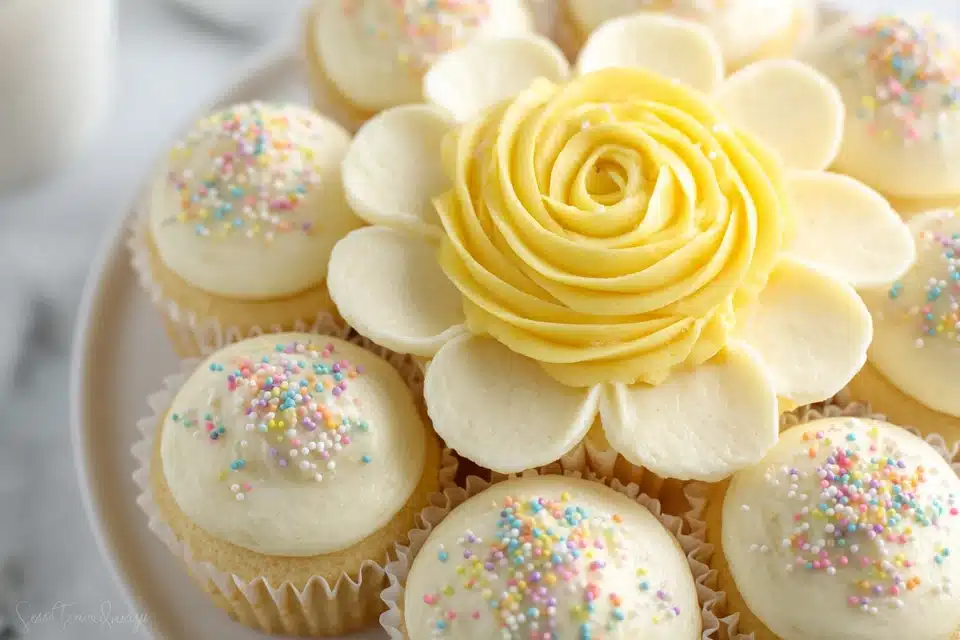
PrintSimple Daisy Cupcake Cake That Looks Like a Flower

Easy Daisy Pull-Apart Cake is a soft, lightly sweet enriched bread arranged in a blooming flower pattern. Each golden petal pulls apart easily, revealing a tender interior with a delicate vanilla glaze.
- Prep Time: 25 minutes
- Cook Time: 30 minutes
- Total Time: 2 hours 30 minutes
- Yield: 8 servings 1x
Ingredients
3 1/4 cups all-purpose flour
2 1/4 teaspoons active dry yeast
3/4 cup warm milk
1/4 cup granulated sugar
1/3 cup unsalted butter, softened
2 large eggs
1 teaspoon vanilla extract
1/2 teaspoon salt
3 tablespoons melted butter for filling
1/3 cup granulated sugar for filling
1 teaspoon ground cinnamon optional
1 cup powdered sugar
2 to 3 tablespoons milk for glaze
Instructions
1. Combine warm milk, 1 teaspoon sugar, and yeast. Let sit until foamy, about 5 to 10 minutes.
2. In a large bowl, mix flour, remaining sugar, and salt.
3. Add softened butter, eggs, vanilla, and yeast mixture. Mix into a dough.
4. Knead until smooth and elastic, about 8 to 10 minutes by hand.
5. Place dough in a greased bowl, cover, and let rise until doubled, about 1 to 1 1/2 hours.
6. Roll dough to 1/4 inch thickness. Brush with melted butter and sprinkle with sugar and cinnamon.
7. Cut into circles and arrange upright in a greased 9-inch round pan to form a daisy shape.
8. Cover and let rise again for 30 to 45 minutes.
9. Bake at 350°F for 25 to 30 minutes until golden brown.
10. Cool slightly. Mix powdered sugar and milk, then drizzle over the cake.
Notes
Allow dough to rise in a warm, draft-free space. Avoid adding excess flour to maintain a soft texture. Cake can be assembled the night before and refrigerated prior to the second rise.