
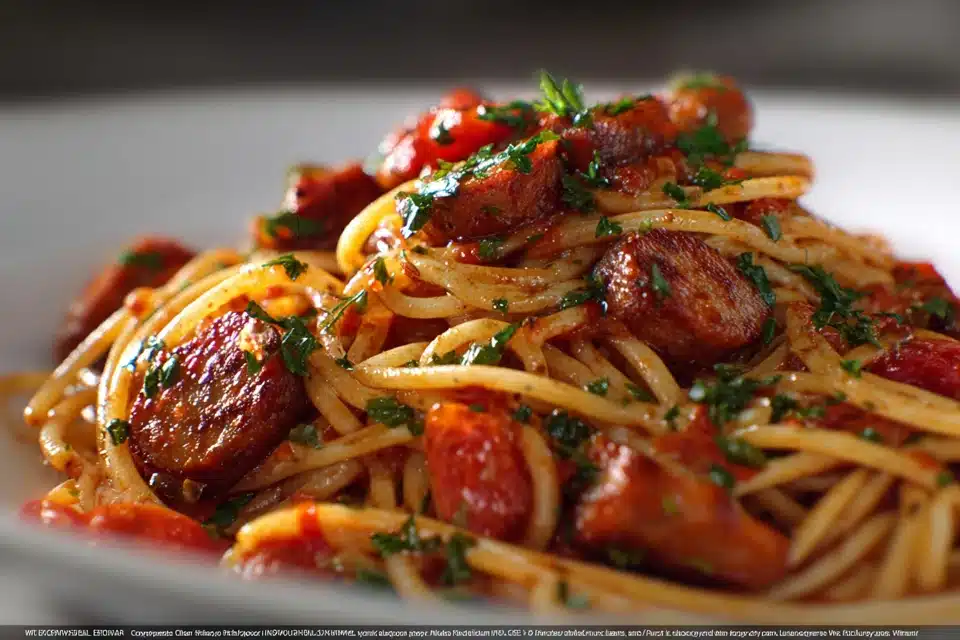
Authentic Haitian Spaghetti – Island Flavor from Mika’s Table
Introduction
Haitian Spaghetti, or Espageti, is a beloved and flavorful dish with deep cultural roots in Haitian cuisine. Often served for breakfast, lunch, or dinner, it blends Italian-style spaghetti with bold Caribbean seasonings, smoky meats like hot dogs or smoked herring, and a touch of spice.
At Mika’s Table, this dish represents more than a quick comfort food — it’s a celebration of Haitian resilience, flavor, and family tradition. Unlike classic Italian pasta dishes, Haitian spaghetti is cooked with tomato paste, Scotch bonnet peppers, aromatics, and a meat of choice. It’s saucy, savory, and deeply satisfying.
This is one of those dishes where the scent alone tells a story — onions sizzling in oil, garlic and tomato paste toasting together, and meats releasing rich, umami goodness into the pan. Served hot with a side of avocado or fried plantains, Haitian spaghetti brings the heart of the island to your kitchen.
Ingredients Overview
Spaghetti
- Use regular spaghetti or angel hair.
- Boil in salted water until al dente.
- Some traditional Haitian cooks rinse and drain the pasta after cooking to remove excess starch.
Protein Options
- Smoked herring (aransale) – deeply traditional, offers intense umami and saltiness.
- Hot dogs – commonly used, sliced and sautéed.
- Vienna sausages, corned beef, or sautéed ham also appear in different households.
- You can also use ground beef or a mix.
Tomato Paste
- Provides a rich, slightly sweet base.
- Toasting it in oil caramelizes its flavor, which is key in Haitian-style cooking.
Garlic, Onions, and Bell Peppers
- The essential sofrito-style base for the sauce.
- Thinly sliced onions, chopped garlic, and bell peppers add both texture and sweetness.
Scotch Bonnet or Habanero Pepper
- Used whole or pierced, it adds heat and aroma without overwhelming spice.
- If you’re sensitive, skip it or use just a slice.
Seasonings
- Maggi cubes or bouillon powder – a staple in Haitian kitchens for depth.
- Salt, black pepper, and thyme round out the flavor.
- Optional: parsley, clove, or epis (Haitian green seasoning) if you have it.
Oil
- Traditionally vegetable oil or olive oil is used for sautéing.
- Enough to coat the pasta lightly once combined.
Step-by-Step Instructions
1. Prepare the Spaghetti
- Boil 1 lb spaghetti in salted water until al dente.
- Drain and rinse with warm water if you prefer less starchy pasta.
- Set aside.
2. Prepare the Protein
- If using smoked herring, soak in warm water for 10–15 minutes to reduce saltiness, then flake and sauté.
- If using hot dogs or sausage, slice into rounds and pan-fry in 1–2 tbsp oil until lightly browned.
- Remove and set aside.
3. Sauté the Aromatics
- In a large skillet or Dutch oven, heat 2–3 tbsp oil over medium heat.
- Add:
- 1 medium onion, sliced
- 1 bell pepper, sliced
- 3 cloves garlic, minced
- Sauté until soft and fragrant, about 3–4 minutes.
4. Build the Sauce
- Stir in:
- 2–3 tbsp tomato paste
- Cook for 2–3 minutes until deep red and caramelized.
- Add:
- 1 whole Scotch bonnet (pierced once) or a few slices
- 1–2 bouillon cubes (Maggi or similar)
- ½ tsp thyme
- Salt and pepper to taste
- Splash in ¼ cup of pasta water or regular water to loosen the sauce.
5. Combine Everything
- Return your meat or protein to the skillet.
- Add the cooked spaghetti in batches, tossing to coat thoroughly.
- Taste and adjust seasoning (more tomato paste or salt as needed).
- Continue to sauté for 2–3 minutes to let flavors meld.
6. Serve Hot
- Garnish with:
- Fresh parsley
- Optional: drizzle of olive oil or fresh lime juice
Serve with:
- Fried plantains
- Slices of avocado
- Pickliz (Haitian spicy slaw) for a fiery contrast
Tips, Variations & Substitutions
- Make it vegetarian: Use veggie bouillon and skip meat, or sub with sautéed mushrooms or plant-based sausage.
- Add eggs: Top with a fried egg or mix in scrambled eggs for an extra protein layer (common in some households).
- Use epis: If you have homemade Haitian epis, add 1 tbsp to the aromatics for authentic flavor.
- Spice level: Scotch bonnet is authentic, but use as little or as much as you like — or sub with milder chili or none at all.
- Texture tip: Allow the pasta to cook a bit in the sauce for deeper flavor absorption.
Serving Ideas & Occasions
Haitian spaghetti is commonly served for:
- Hearty breakfasts
- Weekend family lunches
- Brunch menus in Haitian households
- Any-time comfort food
Pair with:
- Avocado slices for cool creaminess
- Fried plantains for sweet contrast
- Pickliz for crunch and heat
- A glass of fresh lime juice or passionfruit drink
Nutritional & Health Notes
This dish is filling, protein-rich, and deeply satisfying.
Per serving (1 of 4):
- Calories: ~500–600 (depending on protein used)
- Protein: ~20–25g
- Carbs: ~50g
- Fat: ~20g
- Good source of iron, B12, and healthy fats (with olive oil and fish)
For a lighter version:
- Use whole wheat pasta
- Choose lean protein like tuna or skip meat
- Control oil and seasoning quantities
FAQs
Q1: Is Haitian spaghetti traditionally a breakfast dish?
A1: Yes! In Haiti, it’s commonly enjoyed for breakfast or brunch, but it’s also served for lunch or dinner.
Q2: Can I use spaghetti alternatives?
A2: Absolutely. Linguine, angel hair, or even fettuccine work well. For gluten-free, use rice or lentil pasta.
Q3: What’s the difference between Haitian spaghetti and Italian pasta?
A3: Haitian spaghetti uses tomato paste (not sauce), bold spices, and often smoked meats or hot dogs. It’s sautéed with the noodles, not just topped with sauce.
Q4: How spicy is this recipe?
A4: The spice comes from Scotch bonnet peppers, but you can control it. Use whole (for aroma only), or remove seeds for less heat.
Q5: Can I add vegetables to this dish?
A5: Yes — bell peppers, spinach, or tomatoes are common additions. Some add grated carrots for sweetness.
Q6: How long do leftovers keep?
A6: Store in an airtight container for up to 3 days. Reheat in a skillet with a splash of water or oil.
Q7: Can I freeze Haitian spaghetti?
A7: It’s best fresh, but you can freeze it in airtight containers for up to 2 months. Thaw overnight and reheat on the stove.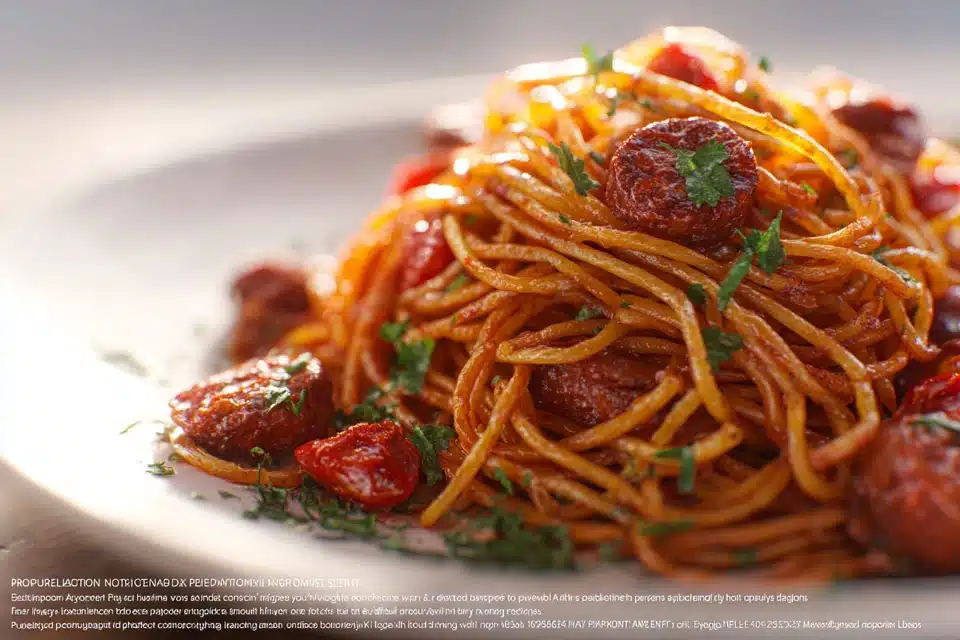
Haitian Spaghetti with Sautéed Onions & Peppers
Authentic Haitian spaghetti is a flavorful dish made with tomato paste, garlic, onions, and spicy protein like smoked herring or hot dogs. Sautéed and tossed with spaghetti, it’s bold, savory, and incredibly satisfying.
- Prep Time: 10 minutes
- Cook Time: 25 minutes
- Total Time: 35 minutes
- Yield: 4 servings 1x
Ingredients
- 1 lb spaghetti
- 2 tbsp tomato paste
- 1 medium onion, sliced
- 1 bell pepper, sliced
- 3 cloves garlic, minced
- 2 tbsp olive oil or vegetable oil
- 1 Scotch bonnet pepper (whole or sliced)
- 1–2 bouillon cubes (Maggi or other)
- ½ tsp dried thyme
- Salt & pepper to taste
- Protein: 6 hot dogs or 1 cup flaked smoked herring
- Optional: parsley, lime juice, avocado
Instructions
- Cook pasta al dente, reserve ½ cup water, drain.
- Sauté protein until browned; set aside.
- In same skillet, cook onion, bell pepper, and garlic in oil.
- Stir in tomato paste, pepper, bouillon, thyme. Sauté until rich.
- Add protein and cooked pasta; toss with reserved pasta water as needed.
- Adjust seasoning, garnish, and serve hot.
Notes
- Use epis or chili flakes for added depth.
- Serve with avocado or fried plantains for a full Haitian plate.
- Store in fridge for up to 3 days.