
Healthy Asparagus Pasta with Lemon and Parmesan: 5 Vibrant Wholesome Recipes
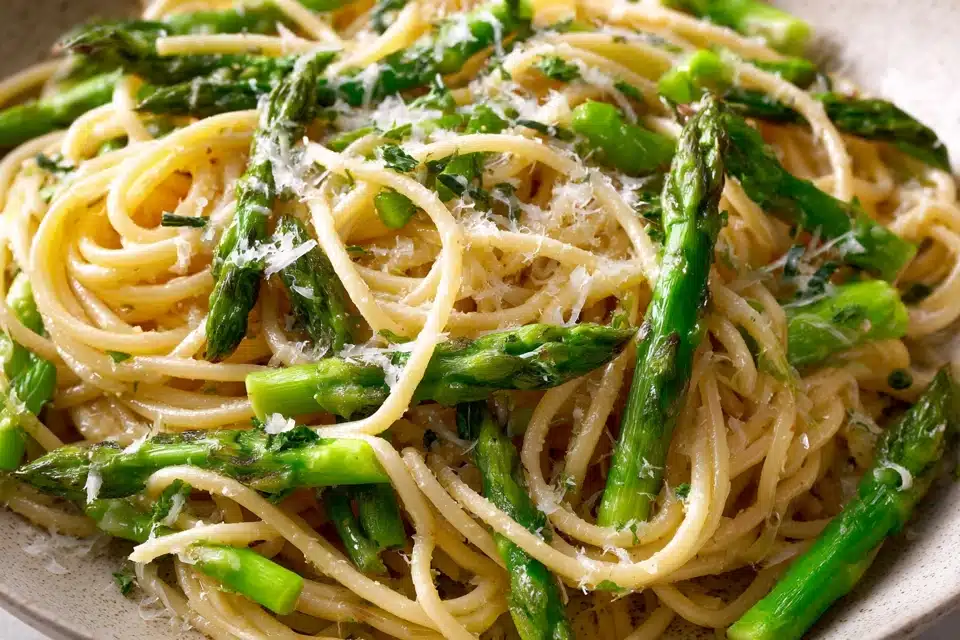
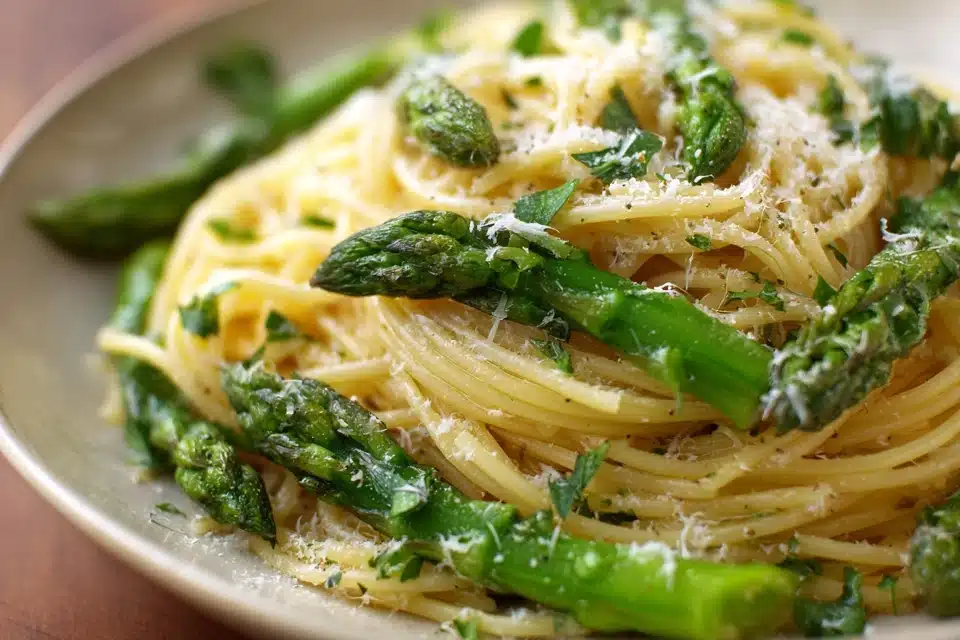
Healthy Asparagus Pasta with Lemon and Parmesan is a bright, spring-inspired dish that combines tender pasta with crisp asparagus, zesty lemon, and nutty Parmesan cheese. This pasta is light yet satisfying, making it an ideal choice for a wholesome weeknight dinner or a refreshing spring lunch. The simplicity of the ingredients allows each flavor to shine, highlighting the natural sweetness of the asparagus and the bright, citrusy notes of fresh lemon.
This dish is celebrated for its balance of textures and flavors: the tender pasta provides a comforting base, while the asparagus delivers a crisp bite. Parmesan adds a salty, savory depth that contrasts beautifully with the citrus freshness, creating a harmonious and uplifting combination. The olive oil ties everything together, giving the pasta a silky sheen and enhancing the natural flavors of the vegetables.
Healthy Asparagus Pasta with Lemon and Parmesan is both visually appealing and easy to prepare. Its light and wholesome profile makes it perfect for spring gatherings, casual dinners, or even as a side dish for grilled meats or seafood. The fresh, clean flavors keep the dish satisfying without feeling heavy, making it a versatile addition to any meal plan.
Ingredients Overview
The main ingredients include pasta, asparagus, lemon, Parmesan, and olive oil. Pasta serves as the hearty base, best cooked al dente so that it absorbs the light sauce without becoming mushy. Asparagus contributes both color and crispness, offering subtle sweetness and earthiness that complement the nutty Parmesan.
Lemon zest and juice brighten the dish, cutting through the richness of the cheese and olive oil. Parmesan adds savory depth and a slightly creamy texture, while olive oil provides a silky coating that binds the ingredients together. Garlic or shallots can be added for aromatic complexity, while fresh herbs such as parsley or chives bring fragrance and freshness.
Optional ingredients like red pepper flakes or toasted nuts can introduce mild heat or crunch. Frozen asparagus may be used if fresh is unavailable, and gluten-free or whole grain pasta can accommodate dietary needs. Together, these ingredients create a dish that is simple, balanced, and full of natural springtime flavors.
Ingredients
12 ounces pasta (penne, fettuccine, or spaghetti)
1 pound asparagus, trimmed and cut into 2-inch pieces
3 tablespoons olive oil
2 cloves garlic, minced
Zest and juice of 1 lemon
1/2 cup grated Parmesan cheese
1/4 cup chopped fresh parsley
Salt and black pepper to taste
Optional pinch of red pepper flakes
Optional toasted pine nuts for garnish
Step-by-Step Instructions
Bring a large pot of salted water to a boil and cook the pasta according to package instructions until al dente. Reserve 1/2 cup of pasta water before draining. This starchy water can help loosen the sauce if needed.
While the pasta cooks, heat olive oil in a large skillet over medium heat. Add the minced garlic and sauté for 1–2 minutes until fragrant, being careful not to burn. Add the asparagus pieces and sauté for 5–6 minutes until tender-crisp. The asparagus should remain bright green and retain a slight crunch.
Add lemon zest and juice to the asparagus and stir to combine. Season with salt, black pepper, and red pepper flakes if using. Stir in the drained pasta and toss to coat thoroughly. Add reserved pasta water as needed to achieve a light, silky coating.
Remove from heat and stir in grated Parmesan and chopped parsley. Toss gently to combine and ensure every bite is coated in the bright, flavorful sauce. Transfer to serving plates and garnish with additional Parmesan, parsley, or toasted pine nuts for extra texture. Serve immediately.
Common mistakes include overcooking the asparagus, which can result in a dull color and mushy texture, and under-seasoning the pasta. Tasting and adjusting seasoning before serving ensures the dish is well-balanced.
Tips, Variations & Substitutions
For extra flavor, lightly roast the asparagus before adding to the pasta for a smoky note. Garlic can be replaced or complemented with shallots for a milder, aromatic taste. For creaminess, stir in a spoonful of Greek yogurt or a dash of cream, though the dish is deliciously light without it.
Protein can be added with grilled chicken, shrimp, or tofu to make the meal more filling. Whole grain or gluten-free pasta can be used for dietary preferences. Fresh herbs like chives, tarragon, or basil can be used in place of parsley for a different aromatic profile.
Lemon flavor can be intensified by adding a little extra zest or finishing with a light drizzle of lemon-infused olive oil. Toasted nuts, like pine nuts or almonds, add crunch and subtle richness.
Serving Ideas & Occasions
Healthy Asparagus Pasta with Lemon and Parmesan pairs beautifully with a crisp white wine such as Sauvignon Blanc or Pinot Grigio. Serve with a light salad or roasted vegetables for a complete spring meal.
It is perfect for weeknight dinners, spring gatherings, or light lunch options. Its bright flavors and fresh ingredients make it suitable for family meals or entertaining guests. Serve immediately to maintain the asparagus’s crispness and the pasta’s perfect texture.
Nutritional & Health Notes
This dish is naturally light and nutrient-rich. Asparagus provides fiber, folate, and vitamins A, C, and K, while garlic offers antioxidants and flavor. Olive oil contributes heart-healthy monounsaturated fats, and Parmesan cheese adds protein and calcium.
Using whole grain pasta increases fiber and adds sustained energy. Lemon adds vitamin C and brightens the dish without extra calories. Adjusting cheese and olive oil quantities allows for a lower-fat version while maintaining flavor. This pasta is a balanced, wholesome option that delivers springtime freshness and satisfaction.
FAQs
Can I use frozen asparagus?
Yes, frozen asparagus can be used if fresh is unavailable. Blanch briefly in boiling water to retain texture and color before sautéing.
Can this dish be made vegan?
Yes, substitute Parmesan with nutritional yeast or a vegan cheese alternative. Olive oil and lemon maintain the dish’s flavor and creaminess without dairy.
What pasta works best?
Penne, fettuccine, or spaghetti are ideal. Long, flat noodles like linguine hold the sauce well, while short pasta like penne catches the asparagus and lemon flavor effectively.
Can I prepare this in advance?
The pasta and asparagus can be prepared a few hours ahead, but it is best served fresh. Store in an airtight container separately and toss with lemon and Parmesan just before serving.
How do I prevent the asparagus from overcooking?
Add asparagus toward the end of sautéing and cook until just tender-crisp. Overcooking can lead to dull color and mushy texture.
Can I add protein?
Yes, grilled chicken, shrimp, or tofu are excellent additions. Fold in after tossing pasta with the sauce to maintain balance.
How do I store leftovers?
Store in an airtight container in the refrigerator for up to 2 days. Reheat gently, adding a splash of pasta water to restore the sauce’s silky texture.
PrintSpring Asparagus Pasta with Parmesan and Fresh Herbs
Bright and healthy pasta with crisp asparagus, fresh lemon, and nutty Parmesan, perfect for a light spring meal.
- Prep Time: 10 minutes
- Cook Time: 15 minutes
- Total Time: 25 minutes
- Yield: 4 servings 1x
Ingredients
12 ounces pasta (penne, fettuccine, or spaghetti)
1 pound asparagus, trimmed and cut into 2-inch pieces
3 tablespoons olive oil
2 cloves garlic, minced
Zest and juice of 1 lemon
1/2 cup grated Parmesan cheese
1/4 cup chopped fresh parsley
Salt and black pepper to taste
Optional pinch of red pepper flakes
Optional toasted pine nuts for garnish
Instructions
- Cook pasta in salted boiling water until al dente; reserve 1/2 cup pasta water.
- Sauté garlic in olive oil for 1–2 minutes; add asparagus and cook 5–6 minutes until tender-crisp.
- Add lemon zest and juice; season with salt, pepper, and red pepper flakes.
- Toss pasta with asparagus and add reserved pasta water as needed.
- Stir in Parmesan and parsley; garnish with extra Parmesan or toasted pine nuts. Serve immediately.
Notes
Frozen asparagus can be used; add protein for a heartier meal; whole grain pasta is a healthy substitute.