
Pasta Primavera: 7 Simple Steps for Comforting Spring Pasta
Introduction
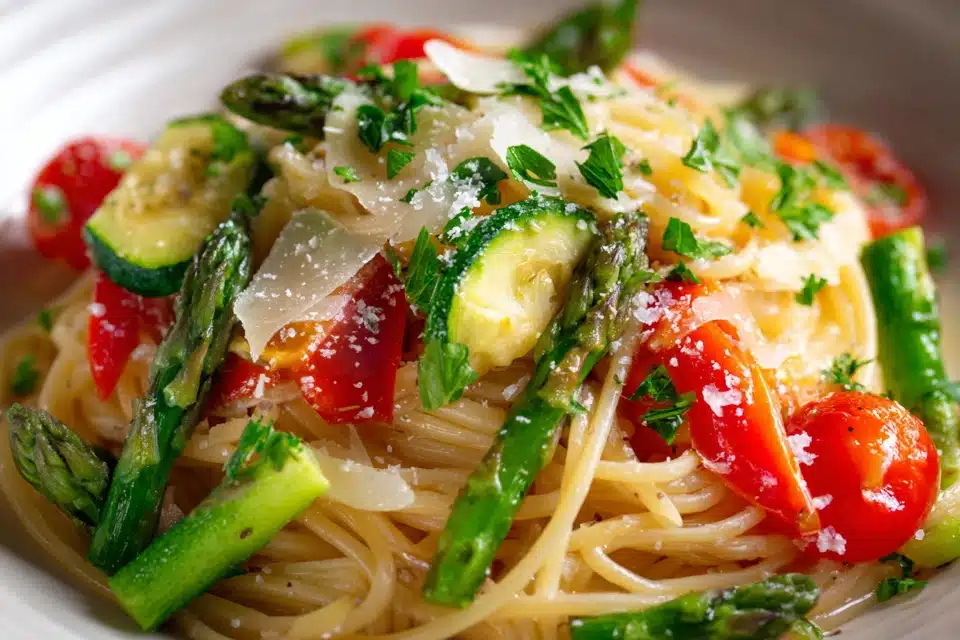
Pasta Primavera celebrates seasonal vegetables paired with tender pasta and a light, creamy sauce. This Italian-American classic highlights fresh produce such as zucchini, carrots, bell pepper, and peas, creating a plate filled with color and gentle sweetness.
The dish gained popularity through restaurant kitchens that favored garden vegetables combined with pasta during spring harvest. The result feels fresh, light, and satisfying without heaviness.
Each forkful balances soft pasta strands with crisp-tender vegetables. Garlic, olive oil, and Parmesan add depth while still allowing natural vegetable flavor to stand forward.
Home kitchens appreciate Pasta Primavera because preparation stays straightforward. Vegetables cook quickly, sauce forms in the same pan, and pasta ties every element together.
From casual weeknight dinner to relaxed weekend gathering, this vegetable-filled pasta remains reliable and comforting. A bowl brings together seasonal produce, creamy texture, and bright color in a satisfying combination that feels both fresh and hearty.
Ingredients Overview
Pasta Primavera depends on fresh vegetables and balanced seasoning. Each ingredient contributes texture, aroma, or richness.
Pasta forms the base of the dish. Long pasta shapes such as fettuccine or linguine hold creamy sauce well. Short pasta such as penne or farfalle also works since grooves catch small vegetable pieces. Pasta should cook until tender with slight firmness in the center.
Olive oil begins the flavor base. A moderate amount coats the pan and carries garlic aroma across vegetables during sautéing.
Garlic supplies depth and warmth. Thin slices or gentle mincing distribute flavor without overwhelming delicate vegetables.
Zucchini provides mild sweetness and soft texture. Half-moon slices cook quickly while still holding shape.
Carrots contribute subtle sweetness and color contrast. Thin matchsticks soften quickly in the skillet while maintaining gentle bite.
Bell pepper adds brightness. Red or yellow varieties supply sweetness that balances cream and cheese.
Broccoli florets offer structure and slight earthiness. Small florets cook quickly and remain vibrant green.
Green peas bring bursts of sweetness and soft texture. Frozen peas work well since they thaw rapidly in warm sauce.
Heavy cream forms the light sauce base. It blends with pasta cooking liquid and cheese, creating a smooth coating rather than a thick layer.
Parmesan cheese supplies saltiness and savory depth. Finely grated cheese melts evenly into sauce.
Fresh basil or parsley provides herbal aroma that brightens the finished plate.
Salt and black pepper round out flavor while pasta cooking liquid helps adjust sauce consistency.
For substitutions, asparagus, snap peas, cherry tomato halves, or mushrooms fit naturally within the vegetable mixture. Dairy-free versions replace cream with cashew cream or unsweetened oat cream while nutritional yeast can stand in for Parmesan.
Step-by-Step Instructions
Begin with a large pot of salted water set over high heat. Once boiling, add pasta and cook until tender with slight firmness in the center. Stir occasionally so strands separate properly. Reserve about a cup of pasta cooking liquid before draining.
While pasta cooks, warm olive oil in a wide skillet over medium heat. Add sliced garlic and cook briefly until fragrance develops and edges turn pale golden. Gentle heat prevents bitterness.
Add carrots and broccoli since these vegetables require slightly longer cooking. Stir frequently so surfaces soften evenly. After about three minutes, introduce zucchini and bell pepper. Continue sautéing until vegetables reach crisp-tender texture.
At this stage, stir in peas and allow them to warm through. Vegetables should appear vibrant with light browning along edges while still maintaining structure.
Reduce heat slightly before pouring heavy cream into the skillet. Stir slowly so cream gathers vegetable flavor from the pan. Allow the mixture to simmer gently for two minutes.
Add drained pasta directly into the skillet. Toss carefully so pasta strands absorb creamy liquid. If sauce appears thick, add small splashes of reserved pasta water while stirring. Starch within the water helps sauce cling to pasta.
Sprinkle grated Parmesan gradually across the skillet while tossing. Cheese melts into the sauce, creating a silky coating across pasta and vegetables.
Season with salt and freshly ground black pepper. Taste and adjust seasoning until balance feels pleasant.
Remove the skillet from heat and scatter chopped basil or parsley across the pasta. A final toss distributes herbs evenly.
Serve immediately while sauce remains smooth and vegetables retain gentle firmness. Pasta Primavera should appear colorful, lightly coated with cream, and filled with varied vegetable shapes.
Common mistakes include overcooking vegetables until softness replaces crisp texture or adding too much cream, which can weigh down the dish. Balanced cooking preserves freshness and lightness.
Tips, Variations & Substitutions
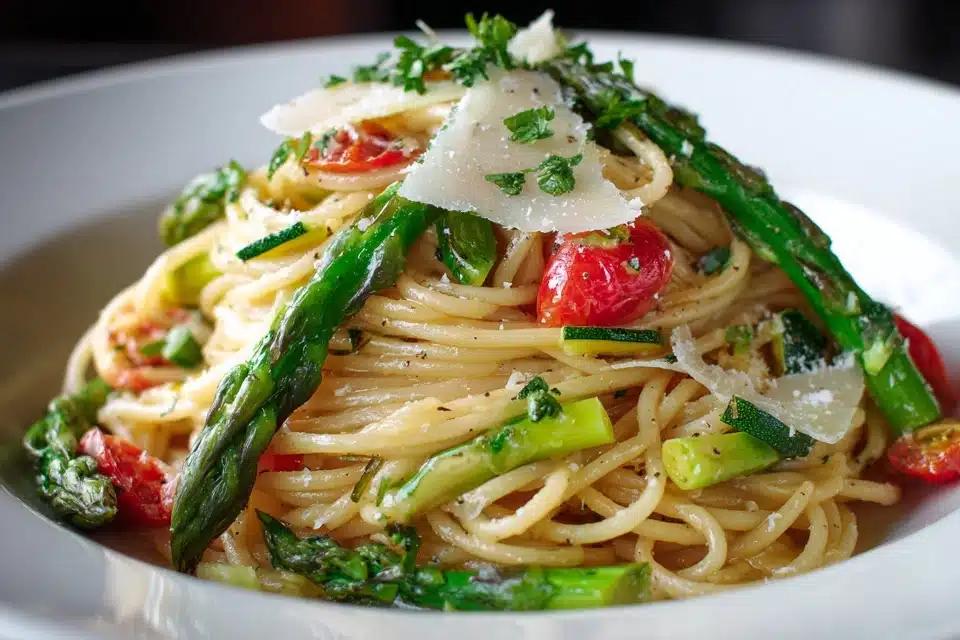
Vegetable selection shifts easily depending on seasonal availability. Asparagus slices fit naturally during spring harvest while cherry tomato halves contribute brightness during warmer months.
Uniform vegetable size helps even cooking. Thin slices, matchsticks, or small florets prevent uneven texture across the skillet.
For deeper savory notes, sauté sliced mushrooms alongside carrots during the early cooking stage. Mushrooms release moisture and add earthy flavor.
Protein additions work well without changing the core character of the dish. Grilled chicken slices, shrimp, or white beans blend comfortably with vegetables and pasta.
A lighter sauce forms by replacing half of the cream with vegetable broth. The broth blends with pasta starch and still produces a smooth coating.
Dairy-free preparation uses unsweetened oat cream or blended soaked cashews. Nutritional yeast adds savory character in place of Parmesan.
Spice adjustments also shift flavor slightly. Red pepper flakes introduce gentle warmth, while lemon zest brightens the final plate.
Fresh herbs contribute fragrance at the end of cooking. Basil, parsley, or chives all pair naturally with spring vegetables.
Storage remains simple. Refrigerate leftovers in a sealed container and warm gently in a skillet with a splash of milk or broth so sauce regains smooth texture.
Serving Ideas & Occasions
Pasta Primavera suits casual dinners as well as relaxed gatherings. The colorful mixture of vegetables creates an inviting centerpiece that pairs easily with simple sides.
A crisp green salad dressed with lemon vinaigrette balances the creamy pasta. Light acidity refreshes the palate between bites.
Warm bread such as a rustic loaf or garlic bread complements the sauce. Bread also helps gather remaining sauce left on the plate.
For beverages, sparkling water with lemon or a chilled white wine pairs comfortably with the vegetables and cream.
During spring or early summer meals, Pasta Primavera works well for patio dining or family meals after busy days. The dish cooks quickly and delivers balanced flavor without complicated preparation.
A large serving bowl placed at the center of the table encourages sharing. The bright vegetable colors and silky pasta texture create a welcoming meal suitable for both everyday dinners and relaxed celebrations.
Nutritional & Health Notes
Pasta Primavera offers a balanced combination of carbohydrates, vegetables, and moderate dairy richness. Pasta provides energy while the vegetable mixture contributes fiber, vitamins, and minerals.
Broccoli and bell pepper bring vitamin C along with beneficial plant compounds. Carrots supply beta-carotene, which supports eye health.
Peas add plant-based protein and fiber that help maintain fullness after eating. Zucchini contributes hydration and light texture due to high water content.
Olive oil supplies monounsaturated fats that complement vegetable nutrients. When used in moderate quantity, it adds richness without heaviness.
Cream and Parmesan provide calcium along with satisfying flavor. Portion size can moderate total fat intake while still allowing the dish to remain creamy.
Whole-grain pasta increases fiber content and contributes slower carbohydrate digestion compared with refined pasta.
Vegetable-forward pasta meals such as Pasta Primavera encourage varied vegetable intake within a comforting format, making the dish appealing for both adults and children while still providing balanced nourishment.
FAQs
What vegetables traditionally appear in Pasta Primavera?
Traditional Pasta Primavera usually includes a mix of spring vegetables such as broccoli, zucchini, carrots, bell pepper, and peas. These vegetables cook quickly and provide color contrast along with varied textures. Some versions also include asparagus or cherry tomato halves depending on seasonal produce availability. The goal centers on a colorful assortment that remains crisp-tender rather than soft. Small cuts allow vegetables to cook evenly within a skillet while maintaining structure. Although variations exist across kitchens, the dish generally favors mild vegetables that blend comfortably with garlic, cream, olive oil, and Parmesan cheese without overpowering the pasta.
Can Pasta Primavera remain vegetarian?
Yes. Pasta Primavera naturally fits vegetarian cooking since the primary ingredients include pasta, vegetables, cream, olive oil, and cheese. Vegetable broth can replace part of the cream if lighter texture suits dietary preference. Parmesan or similar hard cheeses add savory depth, though vegetarian diners sometimes select cheese produced without animal rennet. Additional plant-based protein such as white beans or chickpeas may enter the skillet if extra substance feels desirable. Because vegetables already play the central role, the dish adapts easily for vegetarian meals without sacrificing flavor or texture.
Which pasta shapes work well for this recipe?
Several pasta shapes pair nicely with the vegetable mixture and creamy sauce. Long strands such as linguine or fettuccine allow vegetables to weave between noodles during tossing. Short shapes such as penne, fusilli, or farfalle capture small vegetable pieces within grooves and folds. The key factor involves surface texture that holds sauce without pooling heavily at the bottom of the bowl. Many cooks select pasta already available in the pantry, since the vegetable mixture adapts easily across different shapes. Cooking pasta until tender with slight firmness helps maintain structure during tossing.
How can sauce stay light rather than heavy?
Balanced sauce texture comes from moderate cream quantity combined with pasta cooking liquid. Starchy pasta water blends with cream and cheese, forming a silky coating rather than thick sauce. Gradual addition of liquid while tossing helps control consistency. Vegetables also release moisture during sautéing, which contributes natural lightness. Avoid excessive cream since heavy sauce can overshadow vegetable freshness. Gentle simmering followed by immediate tossing with pasta usually produces a smooth, delicate coating that clings comfortably to noodles and vegetables.
Is frozen vegetable use acceptable?
Frozen vegetables function well within Pasta Primavera, particularly peas, broccoli florets, or sliced carrots. These vegetables are usually frozen shortly after harvest, preserving color and nutrients. When cooking with frozen produce, add it directly to the skillet without thawing so texture remains firm. Cooking duration may extend slightly compared with fresh vegetables. Mixing frozen peas with fresh zucchini or bell pepper also works well. This approach offers convenience during colder seasons when fresh spring vegetables may not appear widely in markets.
How should leftovers be stored and reheated?
Leftover Pasta Primavera stores well inside an airtight container within refrigeration for up to three days. During reheating, place pasta in a skillet over gentle heat along with a small splash of milk, cream, or vegetable broth. Stir gradually until sauce returns to smooth texture. Microwave reheating also works, though covering the dish helps retain moisture. Stirring midway through warming distributes heat evenly. Avoid prolonged reheating because vegetables may soften excessively and sauce may separate.
Can Pasta Primavera include protein such as chicken or shrimp?
Protein additions blend naturally with the vegetable mixture. Grilled chicken slices, sautéed shrimp, or white beans integrate smoothly with the creamy sauce and pasta. When adding chicken, cook slices separately until fully done before tossing into the skillet with vegetables and pasta. Shrimp cooks quickly and may enter the skillet during the final few minutes of vegetable sautéing. Beans require only gentle warming. These additions transform the dish into a heartier meal while maintaining the colorful vegetable character associated with Pasta Primavera.
PrintColorful Pasta Primavera with Seasonal Veggies and Simple Garlic Olive Oil Sauce
Pasta Primavera features tender pasta tossed with sautéed spring vegetables in a light creamy Parmesan sauce. The dish highlights zucchini, carrots, broccoli, bell pepper, and peas for color and gentle sweetness.
- Prep Time: 15 minutes
- Cook Time: 20 minutes
- Total Time: 35 minutes
- Yield: 4 servings 1x
Ingredients
12 ounces fettuccine or linguine pasta
2 tablespoons olive oil
3 garlic cloves thinly sliced
1 medium carrot cut into thin matchsticks
1 cup small broccoli florets
1 small zucchini sliced into half moons
1 red bell pepper thinly sliced
1 cup green peas fresh or frozen
3/4 cup heavy cream
1/2 cup finely grated Parmesan cheese
1/4 cup reserved pasta cooking liquid
2 tablespoons chopped fresh basil or parsley
Salt to taste
Freshly ground black pepper to taste
Instructions
1. Bring a large pot of salted water to a boil and cook pasta until tender with slight firmness. Reserve 1 cup pasta cooking liquid then drain.
2. Warm olive oil in a large skillet over medium heat. Add sliced garlic and cook briefly until fragrant.
3. Add carrots and broccoli. Cook while stirring for about 3 minutes.
4. Stir in zucchini and bell pepper. Continue cooking until vegetables reach crisp-tender texture.
5. Add peas and cook for another minute until heated through.
6. Pour heavy cream into the skillet and allow a gentle simmer for 2 minutes.
7. Add cooked pasta and a splash of pasta cooking liquid. Toss until pasta becomes coated with sauce.
8. Sprinkle Parmesan cheese gradually while tossing so it melts into the sauce.
9. Season with salt and black pepper then finish with chopped basil or parsley before serving.
Notes
Vegetables should remain crisp-tender for the classic texture. Pasta cooking liquid helps adjust sauce thickness. Whole-grain pasta or additional vegetables such as asparagus or mushrooms work well in this dish.